Upgrade Your Space: Essential Facts Regarding Home Renovation Work for Every Homeowner
Property owners frequently look for options to upgrade their residences through home improvement projects. These renovations extend from kitchen upgrades to full house remodeling. Being aware of the possibilities is crucial for deciding wisely. Moreover, one must consider practical considerations such as setting a budget and selecting the professional contractor. As householders start this endeavor, they could face surprising obstacles. The key to a successful transformation requires thorough design and execution. What should be done subsequently?
Understanding the Different Types of Home Remodeling Services

When property owners think about upgrading their living spaces, they typically find many different types of services designed for specific preferences and preferences. These projects are generally grouped into several types, each addressing specific aspects of house upgrades. Kitchen renovations center on modernizing fixtures, the cabinets, and layouts to boost practicality and the look. Bathroom upgrades generally mean updating the hardware, tiling, and shelving options for better convenience and visual flair.
Complete residential remodeling includes significant changes throughout the residence, frequently involving changing the structure to optimize space and flow. Exterior remodeling services, on the other hand, focus on boosting the property's street view, dealing with the cladding, the roof, and the garden design. Moreover, niche projects such as completing the basement and attic conversions enable property owners to utilize fully unused areas. Each type of evaluation remodeling service provides distinct advantages, enabling homeowners to choose options that match their goals for their home life. Understanding these distinctions is crucial to deciding intelligently during the renovation process.
Establishing a Practical Spending Plan for Your Remodeling Project
How do property owners make certain their remodeling projects remain economically sound? Setting a practical budget is vital. Homeowners should begin by determining their fiscal limits, covering savings and possible funding sources. This preliminary action helps establish the funds available for the renovation without jeopardizing other monetary duties.
Afterward, those undertaking the remodel should research the costs associated with their desired renovations, considering materials, labor, and unforeseen expenses that often arise. Making an exhaustive list of needs helps with distinguishing essentials from desirable features, enabling modifications if the finances are strained.
It is prudent to set aside an emergency fund, typically around 10-20% of the total budget, to account for surprise expenditures. Regularly reviewing and adjusting the budget during the renovation project can further assist in keeping finances in check. Ultimately, a well-planned budget ensures the project is feasible but also improves the entire renovation process for those living in the home.
Choosing the Right Contractor for Your Requirements.
Selecting the right contractor can significantly affect how well a renovation turns out. It is recommended that homeowners start by doing comprehensive research, asking for referrals from friends, family, or internet reviews. It is essential to confirm documentation, such as licenses, insurance, and surety bonds, to verify their standing.
After suitable professionals have been found, homeowners should request detailed estimates and timelines, making it possible to compare options knowledgeably. Interviews provide insight into communication styles and professionalism, which are crucial for working together effectively.
In addition, looking at completed jobs through galleries or recommendations can reveal a contractor's quality of workmanship. Property owners must also ask about guarantees or assurances, which shows the professional's belief in their output.
Ultimately, selecting a contractor who aligns with the homeowner’s vision, budget, and timeline creates a better renovation journey, guaranteeing that the project meets expectations and successfully updates the home's interior.
Organizing and Conceptualizing The Space You Envision.
When property owners picture their perfect areas, meticulous organization and deliberate design become essential components of an effective updating job. The initial phase includes assessing present requirements and long-term goals, which permits a comprehensive grasp of the room's intended function. Homeowners should consider functionality, aesthetics, and their individual taste, making sure the design captures their individual tastes.
Next, establishing a thorough budget is crucial. This budget should accommodate materials, workforce costs, and possible unexpected costs. Engaging with design professionals can provide valuable insights, aiding in maximizing the area while sticking to budgetary constraints.
Incorporating elements like natural light, spacious designs, and eco-friendly supplies can enhance the overall experience. Finally, visualizing the project through drawings or computer models can help perfect concepts before starting the work. By approaching the planning and design phase with intention, homeowners can design a welcoming, practical area suited to their way of life.
Navigating Permits and Regulations in Home Remodeling
Grasping the intricacies of permits and rules can be challenging for homeowners starting on a remodeling project. Each municipality has specific rules that determine what is allowed during renovations, typically guided by area restrictions, construction standards, and security requirements. Homeowners must familiarize themselves with local regulations so they don't incur hefty fees or setbacks in the timeline.
Typically, obtaining permits is crucial for significant alterations, such as structural changes or new wiring installations. This process usually necessitates providing designs for examination and might demand site visits at different phases.
Working with a skilled professional can make this procedure easier, as they are typically experts in municipal rules and can assist with paperwork. Owners must also maintain clear communication with the city's regulatory body to ensure adherence throughout the project. By understanding and maneuvering through these requirements, homeowners can fulfill their improvement aims while ensuring safety and legality in their renovations.
Frequently Asked Questions
How Long Does a Typical Home Remodeling Project Take?
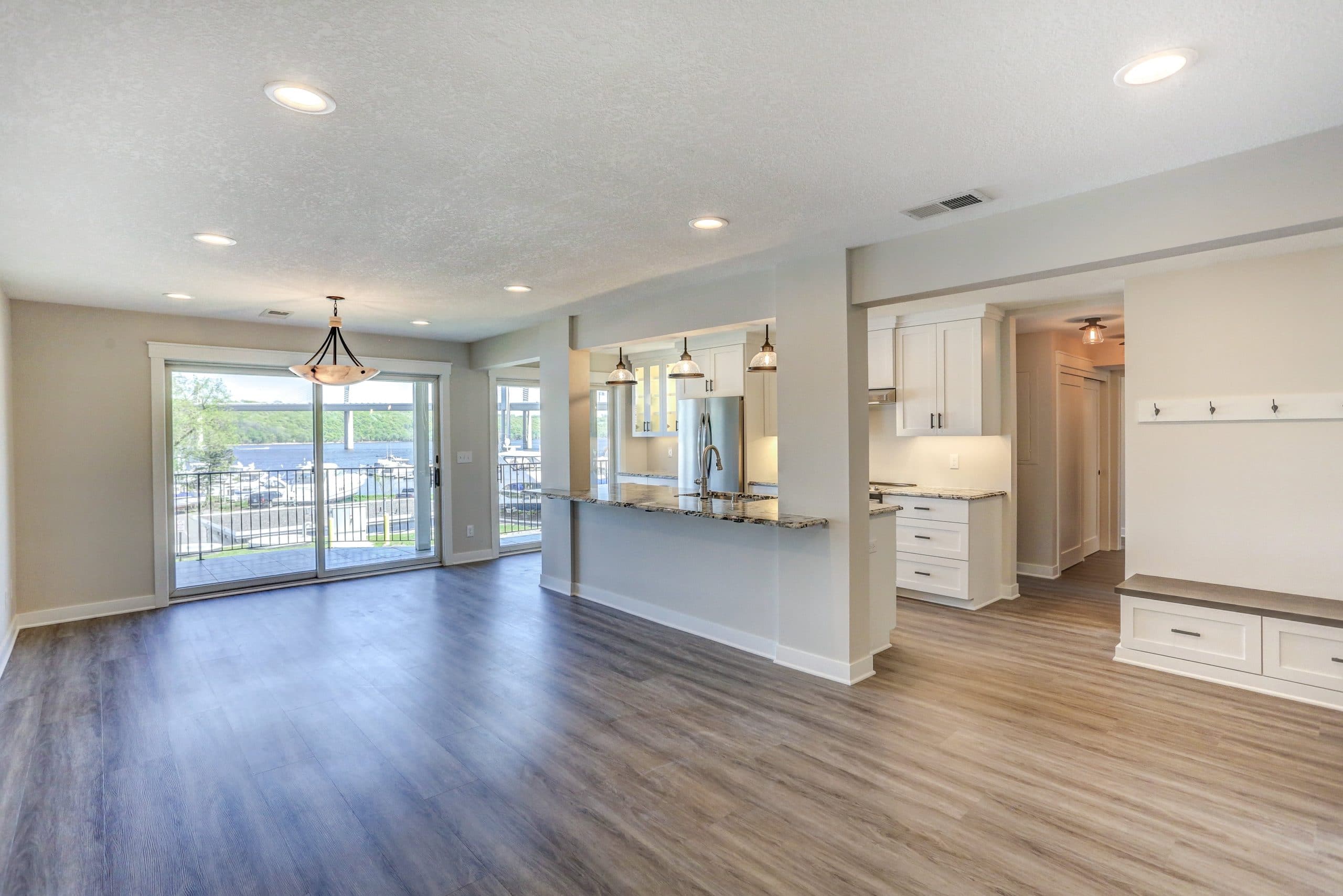
A typical home remodeling project usually takes between three to six months, contingent upon the extent of the project, size of the home, and material lead times. Intricate jobs could demand more time for completion.
What's the best way to avoid frequent blunders to avoid when renovating?
Frequent errors when renovating a home are things like underestimating budgets, neglecting permits, overlooking timelines, poor communication with the construction team, and ignoring long-term functionality. Knowing these potential problems often results in a smoother, more successful renovation project.
How do I choose the best supplies for the job?
Picking the best materials involves evaluating their resilience, visual appeal, and cost constraints. Investigating available choices, getting expert advice, and considering maintenance needs will significantly help to make smart choices, making sure the renovation matches with personal and functional requirements.
Can I live in my home throughout the construction phase?
You are able to stay in their home during renovations, but it could be uncomfortable. Careful planning, clear communication with contractors, and setting aside certain zones for essential activities can help minimize disruption during the process.
What warranties should I expect from the renovation company?
Clients typically receive warranties for the labor performed, materials, and structural components, often covering a period of one to ten years. It is essential to examine the fine print and details in partnership with the renovation company to know the full extent of the guarantee and its restrictions.